बच्चेदानी के मुंह पर कैंसर क्यों हो जाता है? सर्वाइकल कैंसर, HPV वैक्सीन और इलाज जानिए | हेलो डॉक्टर

अतुल तिवारी
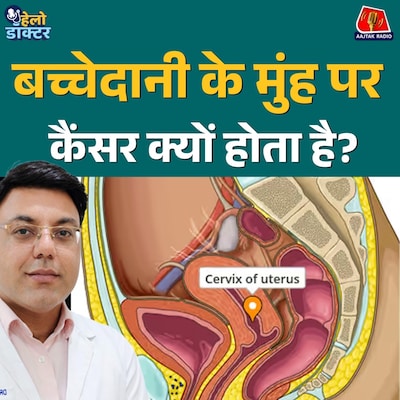
15 Mar 2026, 06:10 PMसर्वाइकल कैंसर क्या होता है? शरीर के किस हिस्से में यह कैंसर होता है और यह कैसे शुरू होता है? भारत में सर्वाइकल कैंसर कितना आम है? क्या यह सच है कि यह कैंसर धीरे-धीरे कई सालों में विकसित होता है? सर्वाइकल कैंसर का सबसे बड़ा कारण HPV (Human Papillomavirus) बताया जाता है, यह वायरस क्या है? क्या हर HPV संक्रमण कैंसर में बदल जाता है? किन महिलाओं में इसका जोखिम ज्यादा होता है? क्या कम उम्र में शादी या कई गर्भधारण इसका जोखिम बढ़ाते हैं? क्या धूम्रपान या कमजोर इम्यूनिटी भी इससे जुड़ी होती है? सर्वाइकल कैंसर के शुरुआती लक्षण क्या होते हैं? क्या कई बार कोई लक्षण ही नहीं होते और फिर भी कैंसर हो सकता है? कौन-से संकेत ऐसे हैं जिन्हें महिलाएँ कभी नज़रअंदाज़ न करें? Pap smear टेस्ट क्या होता है? महिलाओं को किस उम्र से Pap smear करवाना चाहिए? HPV टेस्ट और Pap smear में क्या अंतर है? कितने समय के अंतराल पर यह टेस्ट करवाना चाहिए? HPV वैक्सीन क्या है और यह कैसे काम करती है? यह वैक्सीन किस उम्र में लगवानी चाहिए? क्या शादीशुदा महिलाओं को भी यह वैक्सीन लग सकती है? क्या वैक्सीन लगने के बाद भी स्क्रीनिंग जरूरी रहती है? अगर शुरुआती स्टेज में पता चल जाए तो इलाज कितना सफल होता है? सर्वाइकल कैंसर के मुख्य उपचार क्या होते हैं – सर्जरी, रेडिएशन, कीमोथेरेपी? क्या इलाज के बाद महिला सामान्य जीवन जी सकती है? क्या इलाज के बाद माँ बनने की संभावना बनी रहती है? सर्वाइकल कैंसर से जुड़े सबसे बड़े मिथक या गलतफहमिययां क्या हैं? भारत में महिलाएँ अक्सर जांच करवाने से क्यों बचती हैं? परिवार और समाज इस विषय पर जागरूकता कैसे बढ़ा सकते हैं? हर महिला को सर्वाइकल कैंसर से बचाव के लिए तीन सबसे जरूरी बातें क्या करनी चाहिए? ऐसे सभी सवालों के जवाब जानिए हेलो डॉक्टर के इस एपिसोड में कैलाश हॉस्पिटल नोएडा के ऑनकोलॉजिस्ट सर्जन डॉक्टर मनीष साहनी से.
प्रड्यूसर/होस्ट : अतुल तिवारी
साउंड मिक्स : रोहन
What is cervical cancer? Which part of the body does it affect, and how does it begin? How common is cervical cancer in India? Is it true that this cancer develops slowly over many years? The biggest cause of cervical cancer is said to be HPV (Human Papillomavirus). What exactly is this virus? Does every HPV infection turn into cancer? Which women have a higher risk of developing cervical cancer? Does early marriage or multiple pregnancies increase the risk? Is smoking or a weak immune system also linked to it? What are the early symptoms of cervical cancer? Is it possible that sometimes there are no symptoms at all and the cancer is still present? Which warning signs should women never ignore? What is a Pap smear test? At what age should women start getting a Pap smear done? What is the difference between an HPV test and a Pap smear? How often should these tests be done? What is the HPV vaccine and how does it work? At what age should this vaccine be taken? Can married women also take the vaccine? After vaccination, is screening still necessary? If cervical cancer is detected at an early stage, how successful is the treatment? What are the main treatment options for cervical cancer—surgery, radiation, or chemotherapy? After treatment, can a woman live a normal life? Is it still possible for her to become a mother? What are the biggest myths or misconceptions about cervical cancer? Why do many women in India avoid getting tested? How can families and society help spread awareness about this disease? And what are the three most important things every woman should do to prevent cervical cancer? Find answers to all these questions in this episode of Hello Doctor, where we speak with surgical oncologist Dr. Manish Sahni from Kailash Hospital, Noida.
Advertisement